
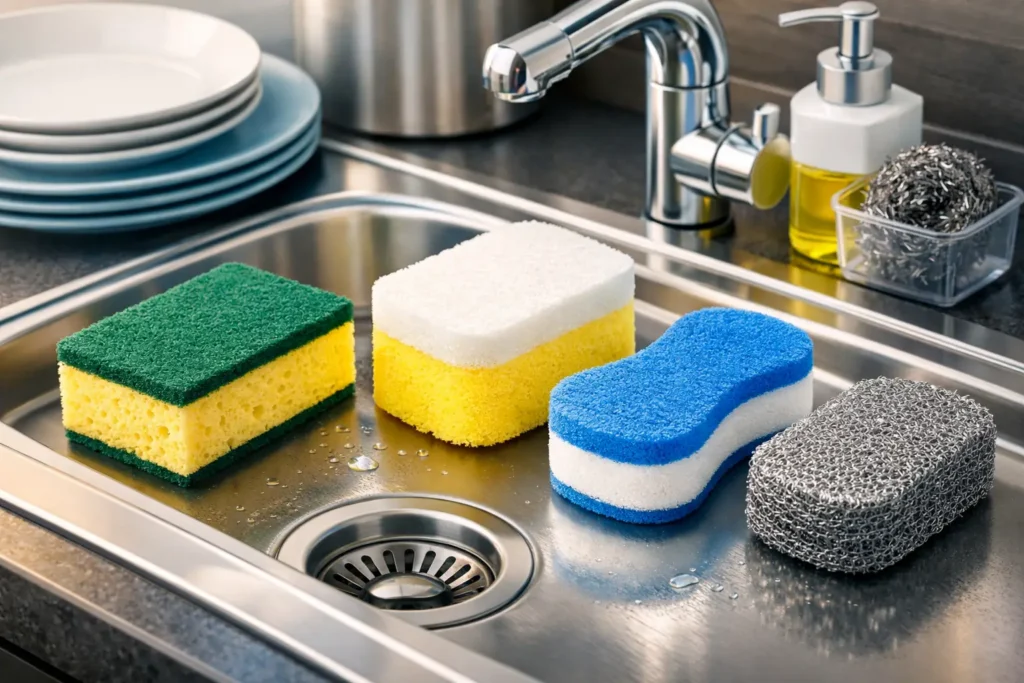
A good bulaşık süngeri karşılaştırması starts where real dishwashing happens: at a sink full of greasy pans, delicate glasses, baked-on food, and limited time. The right sponge can make cleanup faster and more satisfying. The wrong one can scratch cookware, hold odors, flatten too quickly, or simply spread grease around instead of lifting it away.
There is no single sponge that is best for every task. The most effective choice depends on the surfaces you wash, the level of scrubbing needed, and how much comfort and durability you expect from an everyday cleaning tool. Here is how the most common dish sponge types compare, so you can build a smarter kitchen-cleaning routine.
Bulaşık Süngeri Karşılaştırması: What Really Matters
When comparing dish sponges, look beyond color or package size. Material, abrasive level, absorbency, shape, and drying speed all affect performance. A sponge that handles a greasy casserole dish may not be the safest option for a nonstick skillet. Likewise, a soft sponge that is perfect for glassware may need extra help with a burnt baking tray.
For most homes, the best answer is not choosing one sponge for every job. Keeping the right options on hand makes it easier to clean efficiently without taking risks with valuable kitchen surfaces.
Classic Foam Sponges: Flexible for Daily Washing
Classic foam sponges are a familiar choice for everyday dishes. Their soft, absorbent center holds dish soap and water well, helping you create a rich lather for plates, cups, utensils, and food containers. They are lightweight, easy to squeeze, and comfortable during longer washing sessions.
The main advantage is versatility. A foam sponge can handle daily messes without feeling overly harsh, especially when paired with a gentle dish soap. It is a practical pick for routine cleanup after breakfast, lunch, or dinner.
The trade-off is that foam alone may struggle with stubborn, dried-on residue. It can also wear out faster if used repeatedly on rough cookware or sharp edges. Choose a denser foam for better shape retention and rinse it thoroughly after use to remove food particles and soap residue.
Dual-Sided Sponges: The Most Practical All-Rounder
A dual-sided sponge combines a soft foam side with a scrubbing surface. This design gives you two cleaning strengths in one tool: gentle washing for everyday dishes and added scrubbing power when grease or food residue needs more effort.
For many households, this is the most useful everyday format. Use the soft side for glasses, ceramic dishes, and lightly soiled cookware. Turn to the scrub side for pots, pans, stovetops, and containers with stuck-on food. You can adjust your pressure before reaching for a stronger cleaner or a more aggressive pad.
Not all scrub layers perform the same way. Some are designed for general-purpose cleaning, while others are more abrasive. A quality dual-sided sponge should stay bonded through repeated use, rinse clean easily, and maintain its shape instead of curling or separating at the edges.
Non-Scratch Scrub Sponges: Best for Delicate Surfaces
Non-scratch scrub sponges are made for kitchens filled with surfaces that need care. Think nonstick pans, coated cookware, glass bakeware, ceramic dishes, stainless steel appliances, and polished serving pieces. Their scrubbing layer is designed to lift grease and residue without the harsh feel of a heavy scouring pad.
This type is ideal when you want more cleaning power than soft foam provides but do not want to risk visible marks. It is especially useful for nonstick cookware, where a rough abrasive surface can damage the coating over time.
Still, “non-scratch” does not mean every surface should be scrubbed aggressively. Always use a light touch first, particularly on printed designs, soft metals, specialty finishes, or older cookware. If you are unsure, test a small hidden area and follow the manufacturer’s care instructions.
Heavy-Duty Scouring Sponges: For Tough Kitchen Jobs
Heavy-duty scouring sponges are built for difficult residue. They are useful for grill tools, oven-safe dishes, roasting pans, uncoated metal cookware, and heavily soiled sink areas. Their firmer abrasive side can reduce the time spent soaking and scrubbing through baked-on food.
The benefit is obvious: stronger scrubbing action delivers visible results quickly. But this performance comes with a limitation. Heavy-duty sponges are not the right choice for nonstick coatings, delicate glass, soft plastics, painted surfaces, or polished finishes. Used on the wrong material, they can leave dull spots or scratches that cannot be reversed.
Keep a heavy-duty sponge as a task-specific tool rather than your only dish sponge. That simple decision protects your everyday cookware while ensuring you are ready for the messier jobs.
Ergonomic and Shaped Sponges: Comfort Improves Control
Sponge shape has a bigger effect on cleaning than many shoppers expect. A well-designed sponge is easier to grip, more comfortable to use, and better at reaching inside glasses, around pan handles, and into corners. When your hand has more control, you can scrub effectively without applying unnecessary pressure.
Ergonomic designs are especially helpful for frequent dishwashing or larger cleanup sessions. A contoured shape can reduce slipping when hands are wet, while a pointed edge can reach tight spaces near lids, utensils, and sink drains.
PowerMax brings this idea to life with its Teddy Boo Scrub Sponge, which pairs an easy-to-hold shape with temperature-responsive foam. Small innovations like these can make a routine task feel easier while helping you use the right amount of pressure on different dishwashing jobs.
Comparing Sponges by Cleaning Task
The most useful way to choose a sponge is to match it to the mess in front of you. For everyday plates, glasses, and utensils, a soft foam or dual-sided sponge offers dependable cleaning and good soap control. For greasy cookware, a dual-sided or non-scratch scrub sponge gives you extra friction without immediately moving to a harsh abrasive.
For burnt food on an uncoated roasting pan or durable metal tool, a heavy-duty scouring sponge may be the faster choice. For nonstick skillets, ceramic-coated pans, and delicate serving dishes, stick with a non-scratch option and allow warm water and dish soap to loosen residue before scrubbing.
This approach saves time because you are not forcing one sponge to do every job. It also helps each sponge last longer and keeps your cookware looking better.
Durability, Hygiene, and Replacement Timing
A dish sponge should feel reliable from the first wash through regular use. Dense materials, securely attached scrub layers, and a shape that resists flattening are signs of better durability. But even a durable sponge needs basic care.
After washing dishes, rinse the sponge under clean water until food particles and soap are gone. Squeeze it out thoroughly and store it where air can circulate. Leaving a wet sponge at the bottom of the sink encourages odors and makes the next cleanup less pleasant.
Replace your sponge when it develops a persistent smell, starts tearing, loses its scrubbing surface, or remains flattened after rinsing. Households that wash dishes often may need to replace sponges more frequently than those who mainly use a dishwasher. The goal is simple: use a clean, effective tool every time you wash.
A Better Way to Stock Your Kitchen
For a well-prepared kitchen, keep at least two sponge types available: one non-scratch sponge for daily dishes and delicate cookware, plus one stronger scrub sponge for tougher messes. If you regularly cook with cast iron, grill accessories, or large baking dishes, adding a heavy-duty option can make cleanup much easier.
Give each sponge a clear purpose. You can even reserve one for dishes and another for the sink or countertop area. This keeps cleaning more organized and prevents a sponge used on greasy cookware from being used immediately on glasses or food-prep surfaces.
The best dish sponge is the one that fits the task, protects the surface, and feels good in your hand. Choose with purpose, rinse it well, replace it when needed, and your kitchen cleanup can stay quick, clean, and confidently under control.