
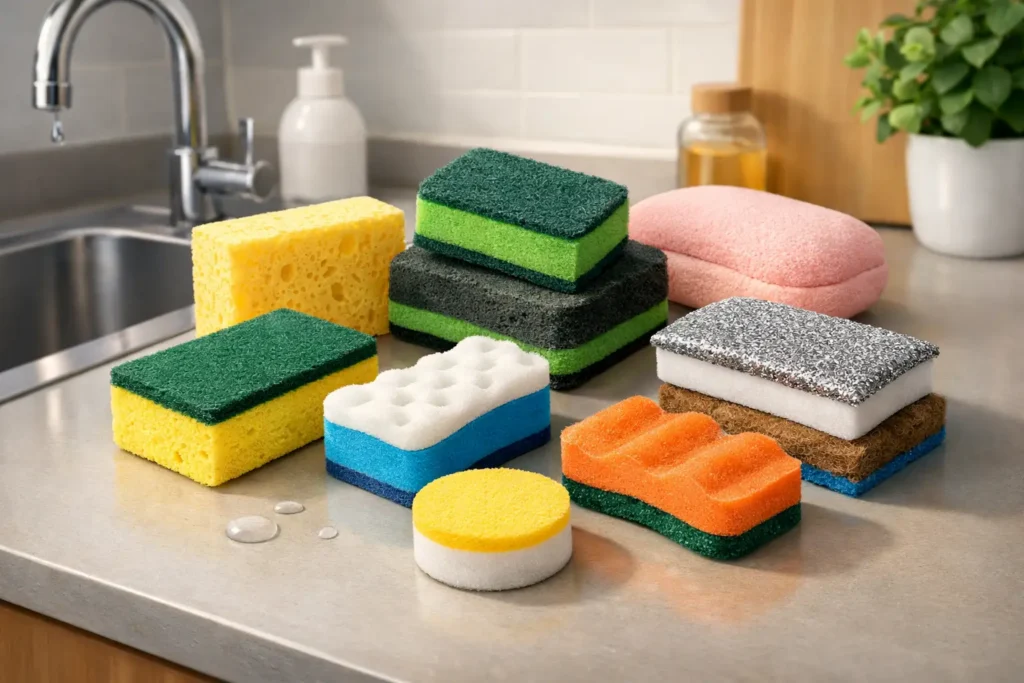
A sponge that removes baked-on food from a pan can be far too aggressive for a glossy cooktop. A soft sponge that protects your favorite glasses may not have enough scrubbing power for greasy oven racks. That is why the answer to mutfakta hangi sünger kullanılmalı is not one universal product. The right kitchen sponge depends on the surface, the mess, and how often you need to clean it.
Choosing by task makes everyday cleanup faster, protects kitchen finishes, and helps your cleaning tools last longer. A small change in sponge choice can mean less soaking, fewer scratches, and a kitchen that feels fresh after every meal.
Mutfakta Hangi Sünger Kullanılmalı? Start With the Job
The best kitchen setup usually includes more than one sponge type. Think of it as matching the cleaning tool to the level of soil. Light residue needs gentle wiping. Sticky food needs a little texture. Burned-on grease may call for a stronger scrubber, but only on surfaces that can handle it.
For daily dishwashing, a dual-sided dish sponge is a dependable choice. The soft foam side holds dish soap and creates a rich lather for plates, glasses, and utensils. The scrub side helps lift dried food from ceramic dishes, stainless steel cookware, and durable food containers. It delivers the practical balance most households need for everyday cleanup.
When the mess is heavy, use a dedicated scouring sponge or scrub pad. These tools are designed to tackle stubborn residue on durable surfaces, such as stainless steel sinks, grill grates, and uncoated metal cookware. More scrubbing power can save time, but it should be used carefully. Strong abrasive materials are not the right match for every kitchen surface.
Choose the Sponge by Surface
A clean finish should never come at the cost of a damaged surface. Before scrubbing, consider whether the item is coated, polished, painted, or naturally delicate.
Nonstick Pans Need a Soft Touch
Nonstick cookware should be cleaned with a soft foam sponge or a non-scratch scrub sponge. Avoid harsh scouring pads, steel wool, and rough abrasive surfaces, which can wear down the coating over time. Let the pan cool first, soak it briefly if food is stuck, then use warm water, dish soap, and gentle pressure.
The same approach works well for many air fryer baskets with nonstick coatings. A little patience is often more effective than aggressive scrubbing. Soaking loosens residue so your sponge can do its job without damaging the finish.
Glass, Ceramic, and Decorative Dishes
Glasses, stemware, ceramic plates, and decorative serving pieces benefit from a soft, non-abrasive sponge. Foam creates plenty of lather and cleans effectively without leaving visible marks. If a mug or casserole dish has dried food, soak it before cleaning instead of reaching immediately for the roughest scrubber.
For glass cooktops, use a soft sponge or microfiber cloth with a suitable cleaner. Rough pads can create fine scratches that become more noticeable over time, especially under bright kitchen lighting.
Stainless Steel Sinks and Cookware
Stainless steel is durable, but it still deserves the right care. A regular scrub sponge can handle most cleaning tasks, including cloudy water marks and food residue. For stuck-on messes, a tougher scouring sponge may be appropriate, but scrub in the direction of the metal grain rather than in random circles.
Use controlled pressure and rinse well afterward. This helps remove cleaner residue and keeps the steel looking brighter. If you are unsure how a new scrubber will perform, test it on a small, less visible area first.
Countertops and Backsplashes
Kitchen counters are often cleaned many times a day, so the sponge matters. For laminate, sealed stone, quartz, and most backsplashes, a soft sponge or nonwoven cloth is a smart everyday choice. These materials lift crumbs, splashes, and light grease without unnecessary abrasion.
Avoid using the same sponge you used on raw-meat cleanup for your countertops. Keep a separate cloth or sponge for food-prep areas, and replace it regularly. This simple habit supports a more hygienic kitchen routine.
Foam, Scrub, or Scouring: Know the Difference
Not every sponge is built for the same result. A foam sponge is ideal when soap, water absorption, and gentle cleaning are the priority. It is the everyday choice for dishes, cups, and lightly soiled cookware.
A non-scratch scrub sponge adds cleaning power without being overly harsh. It is useful for plates with dried sauces, durable plastic containers, and stainless steel pots. This is often the most versatile option for busy kitchens because it combines a lathering foam layer with a practical scrubbing surface.
A heavy-duty scouring sponge or pad is for the jobs that need more force: burnt residue, greasy baking trays, and stubborn sink stains. Its performance is valuable, but the trade-off is clear. The more abrasive the material, the greater the risk of scratching delicate finishes. Save this option for tough jobs and durable surfaces.
For wiping spills, polishing appliances, or drying clean dishes, a microfiber or nonwoven cloth can be a better choice than a sponge. These cloths are excellent for broad surfaces and leave fewer streaks on stainless steel, glass, and countertops.
Build a Smarter Kitchen Cleaning Routine
Using the right sponge is only part of the solution. How you use, rinse, and store it also affects cleanliness and performance. After washing dishes, rinse the sponge thoroughly until food particles and soap are gone. Squeeze out excess water and place it where air can circulate.
A sponge left flat in a wet sink stays damp longer, which can lead to unpleasant odors. A sponge holder, raised tray, or ventilated organizer allows it to dry between uses. This small step helps keep your kitchen feeling cleaner and makes the sponge more pleasant to use.
It also helps to keep your tools assigned by task. One sponge can be for dishes, another for the sink and stovetop, and a separate cloth can be reserved for counters. Color-coding is an easy way to keep this system clear for everyone in the household.
PowerMax cleaning tools are designed to make these everyday choices easier, offering practical options for gentle wiping, routine dishwashing, and more demanding scrubbing tasks. The goal is simple: use the cleaning power you need while giving every surface the care it deserves.
When Should You Replace a Kitchen Sponge?
A sponge does not need to look completely worn out before it is replaced. Change it when it develops a persistent odor, begins to break apart, feels greasy after rinsing, or no longer cleans effectively. For a sponge used daily for dishwashing, replacing it regularly is a practical part of maintaining kitchen hygiene.
If you have cleaned up raw meat juices, replace the sponge sooner or use a disposable paper towel for the initial cleanup, followed by proper surface cleaning. High-risk messes deserve extra care, especially around cutting boards, sink edges, and food-prep counters.
Do not try to extend a sponge’s life when its condition tells you it is time to change it. A fresh sponge improves soap performance, feels better in your hand, and gives you more confidence that your dishes and surfaces are truly clean.
The Best Choice Is the One That Protects the Surface
A strong scrubber is not automatically the best scrubber, and a soft sponge is not always enough for a difficult mess. Keep a gentle foam or non-scratch sponge for daily dishes and delicate finishes, reserve a tougher scouring option for durable surfaces and baked-on residue, and use dedicated cloths for counters and polished areas.
The next time a pan, sink, or countertop needs attention, pause for one second before you scrub. Matching the sponge to the task turns routine cleaning into a quicker, safer, and more satisfying result.