
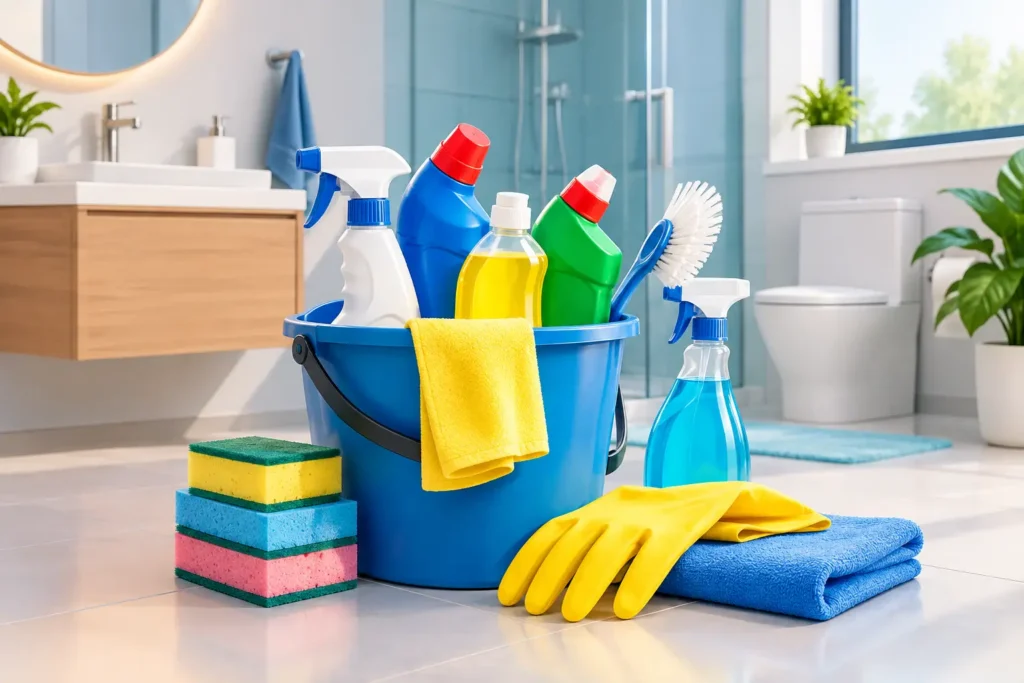
Soap scum on the shower door, toothpaste marks around the sink, and damp corners near the toilet can make a clean bathroom feel less than fresh overnight. When shoppers search for en pratik banyo temizlik ürünleri, they are usually looking for more than a strong cleaner. They want reliable tools that shorten the job, protect bathroom surfaces, and make regular upkeep feel manageable.
The best bathroom cleaning setup is not a cabinet full of one-purpose items. It is a small, smart combination of products that each handle a specific task well: wiping, scrubbing, polishing, and reaching difficult areas. With the right tools close at hand, a quick five-minute refresh can prevent the need for a long weekend scrub.
The Most Practical Bathroom Cleaning Products Start With the Right Tools
Bathroom surfaces are not all the same. A textured bathtub, glossy faucet, glass shower door, ceramic tile, and grout lines respond differently to friction and moisture. Choosing a tool by surface, rather than using one rough scrubber everywhere, helps maintain the finish while delivering visible results.
1. Non-Scratch Scrub Sponges for Tubs and Sinks
A non-scratch scrub sponge is one of the most useful products in any bathroom cleaning kit. It provides enough scrubbing power for soap residue, water marks, and everyday grime without being unnecessarily harsh on many common sink and tub surfaces.
Use the soft side for a fast wipe-down after applying your preferred bathroom cleaner. Turn to the scrubbing side only where buildup needs more attention, such as around the drain, faucet base, or tub edge. The key is to start gently. More pressure is not always better, especially on acrylic tubs, coated fixtures, and polished finishes.
For tougher residue, let the cleaning solution sit briefly before scrubbing. This reduces the force needed and helps the sponge last longer. Rinse it thoroughly when finished and allow it to dry in an open, ventilated spot.
2. Microfiber Cloths for Mirrors, Fixtures, and Counters
Streaks on mirrors and dull water spots on chrome can make a freshly cleaned bathroom look unfinished. A quality microfiber cloth changes that quickly. Its fine fibers lift dust, fingerprints, and moisture efficiently, making it ideal for mirrors, glass shelves, faucets, and vanity counters.
For mirrors, use a lightly damp microfiber cloth to remove splashes and residue, then follow with a dry cloth for a clear finish. Avoid oversaturating the cloth or spraying excessive product directly onto the mirror. Too much liquid can create drips, leave streaks, and collect around the frame edges.
Keep a separate microfiber cloth for polishing dry surfaces. Using the same cloth for the toilet area and the mirror is not a shortcut worth taking. Color-coding cloths by task is a simple way to keep your routine hygienic and organized.
3. A Detail Brush for Grout, Drains, and Tight Edges
Some bathroom dirt hides where a sponge cannot reach. Grout lines, faucet seams, shower tracks, tile corners, and drain surrounds need a compact brush with firm bristles. This tool gives you targeted cleaning power without requiring you to scrub an entire surface.
Apply cleaner to the area, allow it to work according to the product directions, then scrub in short, controlled motions. A detail brush is especially effective for textured grout, but the bristle strength should match the material. Soft or medium bristles are often the safer choice for delicate grout, silicone caulk, and plated fixtures.
Use a dedicated brush for the toilet exterior and floor edges. Keeping tools assigned to different zones supports better hygiene and makes each cleaning session easier to manage.
4. A Toilet Brush That Reaches Under the Rim
A toilet brush is a basic essential, but design matters. Look for a brush that reaches under the rim, where residue can build up out of sight. A comfortable handle and a holder that supports drying can also make the product more pleasant and hygienic to use.
For everyday maintenance, apply toilet cleaner around the bowl, brush under the rim and along the waterline, then scrub the bowl thoroughly. Do not forget the exterior: the flush handle, seat hinges, base, and surrounding floor need regular attention with a separate disposable wipe or cloth.
Replace toilet brushes when the bristles become bent, worn, or difficult to rinse clean. A durable brush is a practical investment, but every cleaning tool has a useful lifespan.
5. Window and Shower Squeegees for Daily Water Control
If hard-water marks are a constant challenge, a shower squeegee can save significant cleaning time. After showering, a quick pass across glass doors, tile, and smooth walls removes much of the water that would otherwise dry into spots. It is a small habit with a noticeable payoff.
A squeegee works best on flat, smooth surfaces. It is less effective on heavily textured tile or uneven grout, where a microfiber cloth may be the better option. Keep it within reach in the shower area so it becomes part of the daily routine rather than another item stored under the sink.
This simple tool is particularly useful in busy family bathrooms. Less standing water means fewer visible streaks, a fresher-looking shower enclosure, and less frequent deep cleaning.
Practical Bathroom Cleaning Products for Floors and Corners
Bathroom floors collect hair, dust, splashes, and product residue quickly. Because moisture is common, floor tools should clean effectively without leaving excess water behind. A wringer mop or microfiber floor mop is a dependable choice for tile, vinyl, and other sealed bathroom flooring.
Sweep or pick up loose hair before mopping. Then use a well-wrung mop head rather than soaking the floor. Excess water can spread dirt, leave streaks, and take longer to dry. Pay close attention to the space behind the toilet, beside the vanity, and along baseboards, where dust and moisture often collect.
For quick touch-ups, a reusable microfiber pad offers speed and control. For a deeper floor clean, use a mop with a washable, durable head that can cover more space. PowerMax cleaning tools are designed to support these everyday tasks with practical materials that help make bathroom care faster and more satisfying.
Build a Small Kit That Makes Cleaning Easier
The most efficient bathroom kit does not need to be complicated. Keep a non-scratch scrub sponge, two or three microfiber cloths, a detail brush, a toilet brush, a squeegee, and a floor mop nearby. Add the cleaning formulas that suit your surfaces and household preferences.
Storing everything in one caddy or under-sink organizer reduces the friction of getting started. When tools are easy to find, it is much more likely that you will wipe the sink after brushing your teeth or clean the shower door before water marks set in.
It also helps to separate tools by use. Assign one cloth to mirrors and fixtures, another to counters and the sink, and reserve toilet-area tools for that zone only. Wash reusable cloths and mop pads regularly according to their care instructions, and replace sponges once they lose their shape or begin to hold odors.
Choose Surface-Safe Performance Over One-Tool Solutions
A heavy-duty scrubber may seem like the fastest answer to every stain, but it can scratch acrylic, damage protective coatings, or dull glossy surfaces. On the other hand, a very soft cloth may not remove stubborn soap scum from a shower floor. The right choice depends on the surface and the type of buildup.
Start with the least abrasive option that can do the job. A microfiber cloth and bathroom cleaner may be enough for daily residue. Move to a non-scratch sponge for tubs and sinks, then use a detail brush only for hard-to-reach buildup. This approach keeps cleaning effective while helping your bathroom surfaces look their best over time.
A practical bathroom routine is built on small, repeatable actions. Wipe moisture away while it is fresh, use the right tool for each surface, and keep dependable supplies within reach. Your bathroom stays cleaner between deep cleans, and every quick refresh delivers the bright, hygienic finish your home deserves.