
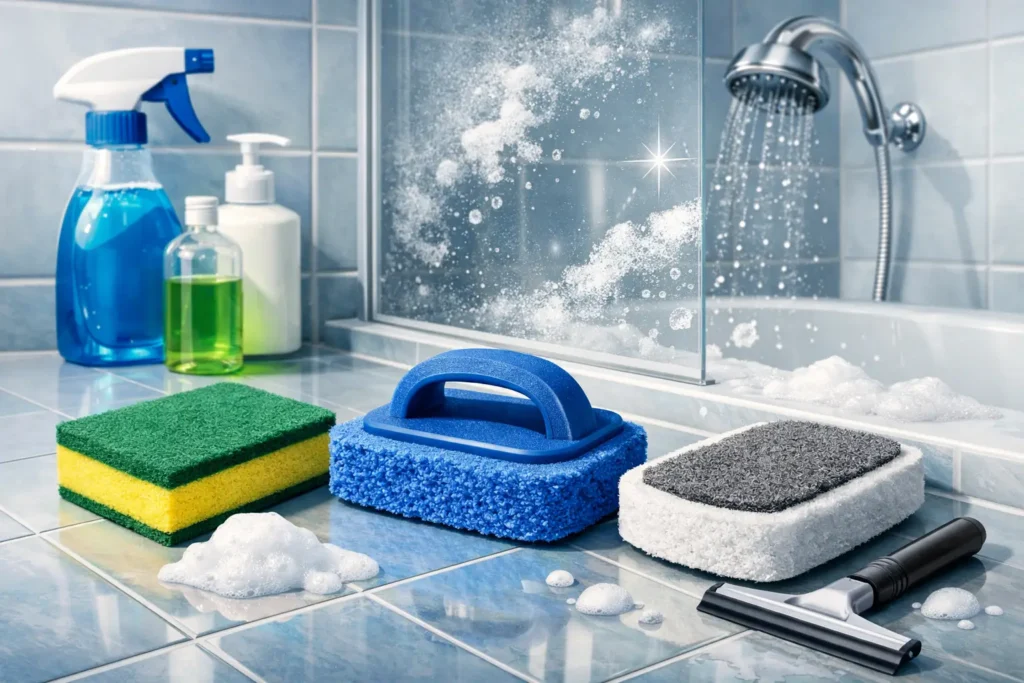
Soap scum has a way of making a clean bathroom look unfinished. If you are trying to find the best scrub pad for soap scum, the right choice can cut your cleaning time, protect your surfaces, and leave behind a smoother, brighter finish instead of dull streaks and scratches.
The tricky part is that soap scum is not just soap. It is a stubborn mix of soap residue, body oils, hard water minerals, and daily moisture. That means the pad that works beautifully on a shower door may be too harsh for a glossy tub, and a soft sponge that feels safe on acrylic may not have enough bite for heavy buildup on tile.
What makes the best scrub pad for soap scum?
The best scrub pad for soap scum balances three things well – scrubbing power, surface safety, and durability. You want enough texture to break through residue, but not so much abrasion that it leaves visible marks. You also want a pad that keeps its shape after repeated use, because a pad that collapses quickly tends to spread cleaner around instead of lifting buildup away.
Material matters more than most people expect. A dense non-scratch scrub layer usually gives you better control on bathroom surfaces than a very coarse heavy-duty pad. That is because soap scum often needs steady, even friction rather than aggressive grinding. For most homes, the sweet spot is a scrub pad that feels firm in the hand, rinses clean easily, and stays effective when paired with a bathroom cleaner or even warm water on lighter residue.
Shape also makes a difference. Flat pads cover large areas quickly, which is helpful for shower walls and tub surrounds. Ergonomic sponge-pad combinations are often easier to grip around faucets, corners, and curved surfaces. If you clean often, comfort is not a small detail. A pad that is easier to hold usually helps you scrub more efficiently with less pressure.
Best scrub pad types for soap scum
There is no single winner for every bathroom. The best choice depends on the surface you are cleaning and how thick the buildup has become.
Non-scratch scrub pads
For most households, this is the safest starting point. Non-scratch scrub pads are ideal for fiberglass, acrylic tubs, sealed tile, shower doors, and many sink surfaces. They give enough friction to loosen soap scum without the harsh feel of heavy-duty scouring pads.
These pads are especially useful if you clean regularly and want consistent results without guessing whether the surface can handle more abrasion. They are also a smart option for homes with multiple bathroom materials, since one pad can often handle several jobs.
Scrub sponge combinations
A scrub sponge combines an absorbent sponge side with a textured scrubbing side. This makes it practical for bathrooms because you can apply cleaner, loosen grime, and wipe residue away with one tool. For moderate soap scum, it is one of the most convenient formats.
This style works well on tubs, shower shelves, faucets, and around soap dishes where buildup collects in patches instead of one thick layer. A well-designed scrub sponge can also make cleaning feel faster and more controlled, especially in smaller spaces.
Heavy-duty scouring pads
These are not the first choice for most bathroom surfaces, but they have a place. If you are dealing with very stubborn residue on durable surfaces like unfinished utility areas or some hard tile installations, a more aggressive pad may help. Still, this is where caution matters. A pad that is too abrasive can leave scratches that make future soap scum buildup even harder to remove.
If you are considering a heavy-duty pad, test it first in an inconspicuous spot. For glossy, coated, or delicate finishes, it is usually better to let the cleaner do more of the work and use a safer pad.
Microfiber-backed or soft-detail pads
These are not true scrub pads in the traditional sense, but they can be useful for light soap film and finishing work. If your shower gets cleaned frequently, a softer pad may be enough to maintain shine and remove fresh residue before it turns into thick scum.
This option is best for maintenance, not restoration. If the buildup is visible and chalky, you will likely need more texture.
How to choose the right pad by surface
Acrylic and fiberglass need a gentler approach. These materials can scratch more easily than they look, so a non-scratch scrub pad or scrub sponge is usually the right call. Use light to medium pressure and let your cleaner sit for a minute or two before scrubbing.
Glass shower doors benefit from a pad that can cut through film without leaving haze. Non-scratch pads work well here, especially when used in overlapping circular motions. If the residue is heavy from hard water and soap together, you may need a cleaner made for mineral buildup along with your pad.
Ceramic and porcelain tile are generally more forgiving, but grout lines create a challenge. A pad with some flexibility helps you work across the tile while still reaching into shallow grout texture. For deep or stained grout, a brush may do better than a pad.
Chrome fixtures and coated finishes need care. Soap scum often builds up around handles and spouts, but harsh pads can dull the shine. A softer non-scratch pad or sponge is the safer option, followed by a clean wipe to remove any cleaner residue.
Natural stone is the most surface-dependent category. Marble, travertine, and other stone finishes can be sensitive both to abrasive tools and to certain cleaners. In these spaces, choose the least aggressive pad that will do the job and pair it only with stone-safe cleaning products.
When a scrub pad works best – and when it does not
A scrub pad is most effective when soap scum is sitting on the surface and can be loosened with friction. That is why tubs, shower walls, tile, and sink basins respond well. The pad helps break the bond between the residue and the finish so it can be rinsed or wiped away.
Where scrub pads struggle is with very thick mineral crust, deep grout staining, or buildup packed into narrow edges and tracks. In those cases, the best result often comes from combining tools. Use a scrub pad for the broad surface and a detail brush for corners, grout lines, and hardware edges.
This is also where product quality shows up. A durable pad keeps its texture longer, rinses cleaner, and does not shred halfway through the job. That means better performance and less frustration.
How to remove soap scum faster with the right pad
Technique matters almost as much as the pad itself. Start by wetting the surface with warm water to soften residue. Apply your cleaner and give it a short dwell time so the buildup begins to loosen before you start scrubbing.
Then scrub in sections instead of tackling the whole shower at once. Small areas let you see progress quickly and keep the cleaner from drying too soon. Use steady pressure rather than pressing as hard as possible. A quality scrub pad should do the work without forcing you to over-scrub.
Rinse the pad often. Soap scum can load up the surface of the pad and reduce friction, which makes cleaning feel harder than it should. A quick rinse keeps the texture active and prevents you from just spreading residue around.
For heavy buildup, repeat instead of escalating to a harsher pad too quickly. Two controlled passes with a non-scratch scrub pad are often safer and more effective than one aggressive round with something too abrasive.
Signs you picked the wrong scrub pad
If the surface looks dull after cleaning, the pad may be too harsh. If the residue smears instead of lifting, the pad may be too soft or overloaded. If the pad starts flattening, fraying, or breaking apart after a short session, it is not durable enough for regular bathroom use.
You should also pay attention to effort. The best scrub pad for soap scum should make the job feel easier, not just possible. Good cleaning tools save time, reduce strain, and help you get visible results without second-guessing every stroke.
A smart choice for everyday bathroom cleaning
For most homes, a high-quality non-scratch scrub sponge or scrub pad is the best all-around answer. It gives you the versatility to clean tubs, shower walls, tile, glass, and fixtures with confidence, while still delivering the friction needed to cut through daily buildup. If you want a practical option that feels easy to use and built to last, that balance of gentle performance and reliable scrubbing is exactly what you want from a bathroom cleaning tool.
A thoughtfully designed scrub sponge from a brand like PowerMax can make that routine even more satisfying, especially when the grip, shape, and material are built for real household cleaning instead of one-time use.
The best bathroom tools are the ones you reach for without hesitation. Choose a scrub pad that matches your surfaces, handles soap scum without drama, and helps your bathroom look freshly cleaned more often with less effort.