
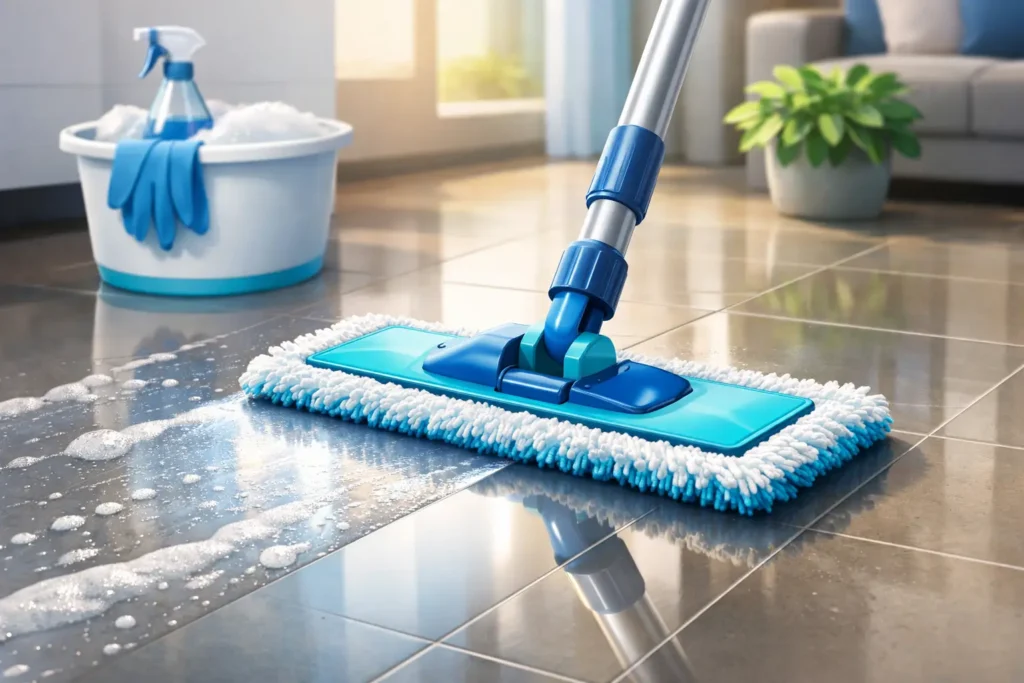
A floor can look clean at first glance and still hold the fine dust, cooking residue, pet hair, and tracked-in grime that make a room feel less fresh. If you are searching for “zemin temizliğinde mikrofiber mop,” you are looking for a smarter way to handle that everyday buildup without turning floor care into an exhausting chore. A quality microfiber mop helps lift dirt efficiently, use less water, and leave surfaces looking polished rather than streaky.
The difference comes down to the fibers. Unlike a basic cotton mop that can push dirty water across the floor, microfiber is designed to grab and hold fine particles. Used correctly, it gives busy households a faster route to visibly cleaner floors while helping protect the surfaces they clean every day.
Zemin Temizliğinde Mikrofiber Mop: Why It Works
Microfiber is made from extremely fine synthetic fibers that create a large cleaning surface. These fibers pick up dust, crumbs, hair, and small particles that a standard mop may leave behind. When lightly dampened, they also loosen common household soil such as dried splashes, muddy footprints, and greasy residue near kitchen work areas.
This makes a microfiber mop especially useful for routine cleaning. Instead of soaking the floor, you can work with a controlled amount of moisture and refresh the mop pad as needed. Less excess water means less waiting for floors to dry, fewer water marks, and a more comfortable cleaning routine.
For homes with children or pets, this benefit is easy to notice. Fine hair and dust often gather along baseboards, under tables, and around furniture legs. A microfiber pad is flexible enough to reach these areas and effective enough to collect the debris rather than simply moving it to another corner.
Start With the Right Amount of Moisture
A soaked mop is not automatically a better mop. Too much water can leave streaks on tile, create slippery spots, and be risky for moisture-sensitive flooring. With microfiber, the goal is usually a pad that is damp, not dripping.
For light daily maintenance, a dry microfiber pad may be all you need. It can capture dust, hair, and loose debris before they become stuck to the floor. For a more thorough clean, dampen the pad with water or use a small amount of floor cleaner appropriate for the surface. Wring it out well before mopping.
The right approach depends on the floor. Ceramic and porcelain tile generally tolerate moisture well, while laminate and sealed hardwood need a much lighter touch. On these surfaces, use minimal liquid and clean in small sections so moisture does not sit in seams or along edges.
Match Your Method to Each Floor Type
Microfiber mops are valued because they work across many rooms, but every surface has its own needs. A single cleaning habit is not always the best choice for every floor in the home.
Tile and Stone Floors
Tile floors can collect dust in grout lines and food residue in kitchens. Begin by dry mopping or sweeping to remove loose dirt, then use a damp microfiber mop with a tile-safe cleaner if needed. Move in overlapping passes to avoid missing areas, paying attention to entrances, sinks, and cooking zones.
Natural stone requires more care. Avoid harsh or acidic cleaners unless they are specifically made for the type of stone in your home. A soft microfiber pad and a pH-neutral cleaning solution help maintain the finish without dulling the surface.
Vinyl and Luxury Vinyl Plank
Vinyl is durable, practical, and common in hardworking family spaces. A microfiber mop is a strong match because it cleans effectively without abrasive scrubbing. Use a lightly damp pad and avoid leaving pools of water behind, especially around plank joints.
Skip aggressive scouring tools on vinyl floors. They can damage the protective wear layer and make the floor more likely to show marks over time. Gentle, frequent microfiber cleaning is usually better than occasional heavy-duty treatment.
Laminate and Sealed Wood
Laminate and sealed wood floors need moisture control above all else. Water that enters gaps can cause swelling, warping, or lifted edges. Use a nearly dry microfiber mop pad, work quickly, and avoid steam unless the flooring manufacturer specifically approves it.
For a sticky spot, do not flood the area. Apply a small amount of suitable cleaner to the mop pad or a microfiber cloth, then wipe the spot gently. This targeted method gives you better control and helps preserve the floor’s appearance.
Clean Smarter, Not Harder
The best results often come from the order of your cleaning. Mopping over loose crumbs, sand, or pet hair can create smears and make the pad dirty too quickly. Start by dry mopping, sweeping, or vacuuming, particularly in high-traffic rooms.
Then mop from the farthest point of the room toward the exit. This simple pattern prevents you from walking across freshly cleaned areas. Clean in smooth, overlapping strokes rather than scrubbing every inch with pressure. Microfiber does much of the work through its fibers, so force is rarely necessary.
When the pad looks visibly soiled, replace it with a clean one. Continuing with a saturated pad can redeposit dirt and leave dull-looking streaks. Keeping an extra washable pad on hand makes the process easier, especially when cleaning a kitchen, hallway, and bathroom in one session.
PowerMax microfiber cleaning tools are designed around this kind of practical performance: dependable pickup, surface-conscious care, and a cleaning experience that feels simpler from the first pass to the final rinse.
Avoid These Common Microfiber Mop Mistakes
Microfiber is durable, but it performs best when it is treated correctly. Using too much cleaner is one of the most common mistakes. A heavy layer of product can leave residue that attracts more dust and makes floors feel tacky. Follow the cleaner’s dilution directions, and remember that a little often goes a long way.
Another mistake is washing microfiber pads with fabric softener. Fabric softener coats the fibers and reduces their ability to grab dirt and absorb moisture. Bleach can also weaken some microfiber materials. Wash pads separately or with other lint-free cleaning textiles, using a mild detergent, then air-dry or tumble-dry on low heat if the care label allows it.
Finally, do not use one dirty pad throughout the entire house. Bathrooms, entryways, and kitchens face very different types of soil. Changing pads between heavily soiled spaces is a simple way to support cleaner results and better household hygiene.
Make Floor Care Easier to Keep Up With
A consistent routine is more effective than waiting until floors look heavily soiled. High-traffic areas such as kitchens, entrances, dining spaces, and pet zones may need a quick dry microfiber pass several times a week. Damp mopping once a week is often enough for routine maintenance, though busy households may prefer more frequent touch-ups.
The goal is not to create a complicated cleaning schedule. It is to make each session quick enough that you will actually keep doing it. Store the mop where it is easy to reach, keep clean pads ready, and choose the right cleaner for your floor type. These small habits turn floor cleaning from a major task into a satisfying reset for the whole room.
Clean floors change how a home feels underfoot, in the light, and at the end of a long day. With a well-maintained microfiber mop and the right amount of care, every pass can bring you closer to the fresh, streak-free finish your home deserves.