
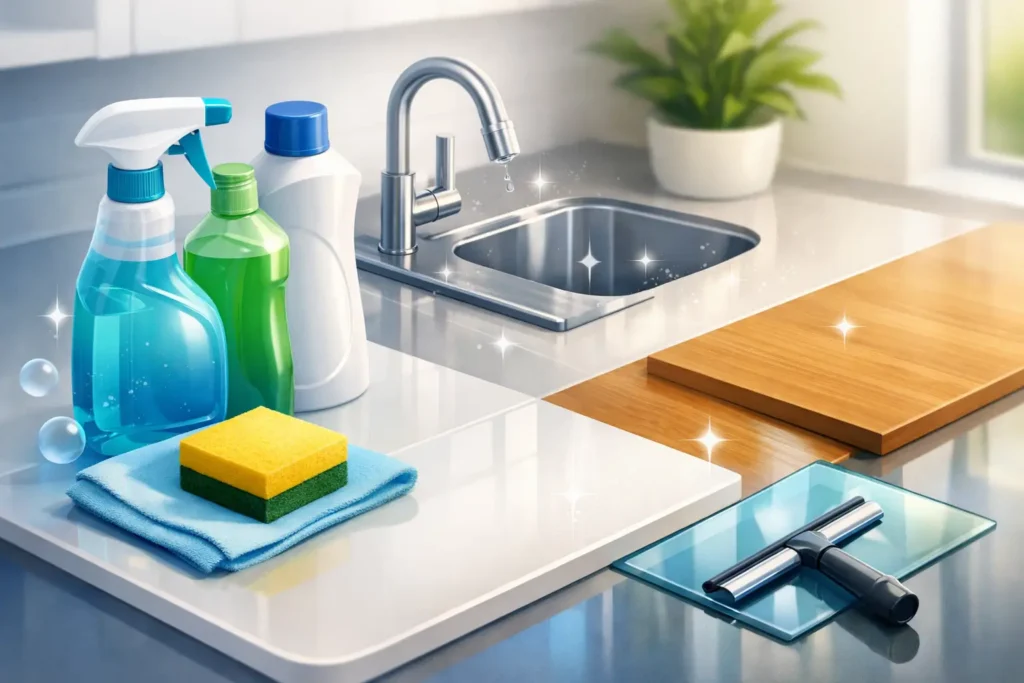
A spotless surface can lose its appeal in seconds when a rough pad leaves behind dull marks, fine lines, or cloudy streaks. That is why yüzey çizmeyen temizlik ürünleri matter in everyday cleaning. The right cloth, sponge, pad, or brush removes messes effectively while helping protect the finishes that make your kitchen, bathroom, and living spaces look their best.
Surface-safe cleaning is not about using the weakest tool for every task. It is about matching the cleaning tool to the material, the type of soil, and the amount of pressure needed. With a few smart choices, routine cleaning can feel easier while your cookware, fixtures, counters, and glass stay polished and well cared for.
Why Scratches Happen During Cleaning
Most scratches are not caused by cleaning alone. They happen when a rough tool, trapped grit, or overly aggressive scrubbing meets a sensitive finish. A sponge may feel soft in your hand, but a small grain of sand, dried food, or mineral buildup caught in its fibers can act like sandpaper across glass or stainless steel.
The condition of the tool also makes a difference. A worn scouring pad can become rougher over time, while a dirty cloth can spread debris rather than lift it away. Using a fresh, clean tool is one of the simplest ways to improve results and reduce the chance of surface damage.
Pressure is the other common issue. When a stain does not release immediately, it is tempting to scrub harder. In many cases, soaking the area first or using warm water and a suitable cleaning solution works better than force. Letting residue soften gives a surface-safe sponge or cloth a better chance to lift it cleanly.
Choosing Yüzey Çizmeyen Temizlik Ürünleri by Material
No single cleaning tool is ideal for every room. Delicate materials need a gentle touch, while baked-on residue may call for more cleaning power used with care. Choosing by surface type helps you get a clean finish without unnecessary wear.
Glass, mirrors, and glossy surfaces
Glass shows everything: fingerprints, water spots, lint, and swirl marks. A clean microfiber cloth is a reliable choice because its fine fibers pick up dust and moisture without the rough texture of abrasive pads. Use light pressure and keep the cloth free from grit. For mirrors and glossy appliance panels, folding the cloth into clean sections helps prevent transferring residue back onto the surface.
Avoid using scouring pads on glass unless the manufacturer specifically confirms they are suitable. Even fine abrasives can leave marks that become more visible in direct sunlight.
Stainless steel appliances and sinks
Stainless steel is durable, but its finish can still become dull or scratched when cleaned with the wrong pad. A soft nonwoven cloth or microfiber cloth works well for daily fingerprints, water marks, and light kitchen residue. Wipe in the direction of the steel grain whenever possible for a more even-looking finish.
For tougher sink messes, choose a non-scratch sponge and allow warm, soapy water time to loosen the buildup. This approach may take a little longer than aggressive scrubbing, but it helps preserve the smooth appearance of the steel.
Nonstick cookware and coated bakeware
Nonstick coatings need extra attention. Metal scrubbers, harsh scouring pads, and sharp-edged tools can shorten the life of the coating. A soft dishwashing sponge paired with warm water is usually the best starting point. If food is stuck, soak the pan before cleaning rather than scraping at it.
A gentle sponge may not remove heavily burned residue as quickly as an abrasive pad, but that trade-off is worth making for cookware with a protective coating. Clean cookware is useful. Clean cookware with its coating intact is even better.
Countertops, tile, and sealed stone
Countertops can vary widely, from laminate and quartz to natural stone and ceramic tile. For everyday crumbs, splashes, and wipe-downs, microfiber and soft nonwoven cloths offer dependable, low-risk cleaning. They lift dust and moisture efficiently without leaving a harsh texture against the surface.
Sealed stone deserves special care because scratches are not the only concern. Some cleaning formulas may affect the finish or leave a dull appearance. Use a soft tool and follow the care guidance for your specific countertop material. When in doubt, test a small hidden area first.
Acrylic, plastic, and painted finishes
Shower panels, appliance controls, storage bins, and painted cabinets can be more delicate than they look. These surfaces often show fine scratches easily. A soft damp cloth is usually enough for routine cleaning, followed by a dry microfiber cloth to remove excess moisture and prevent streaks.
Skip rough scrubbers on plastic and acrylic surfaces. For sticky spots, apply gentle moisture first, then lift the residue gradually. Patience protects the finish.
The Cleaning Tools That Make a Real Difference
A surface-safe cleaning routine starts with tools designed for the job. Soft sponges are useful for dishes, cookware, and daily kitchen cleanup. Nonwoven cloths are practical for quick wipes, while microfiber cloths work especially well on glass, mirrors, polished fixtures, and dust-prone surfaces.
Scouring tools still have a place in the home, particularly for durable pots, grills, oven-safe cookware, or heavily soiled areas. The key is to reserve them for surfaces that can handle abrasion. Keeping gentle sponges separate from heavy-duty scrubbers prevents accidental damage when you are cleaning quickly.
PowerMax offers a complete range of cleaning tools that helps households organize this choice by task, from soft cloths for delicate finishes to dependable sponges and brushes for everyday messes. A tool that fits comfortably in your hand also helps you control pressure, making careful cleaning feel less like a chore.
Use the Right Technique, Not More Force
Even the best surface-safe product needs the right technique. Start by removing loose crumbs, dust, and grit before wiping a surface. This small step is especially valuable for glass tables, stovetops, and glossy cabinets, where dry debris can leave fine marks.
Next, use enough water or cleaning solution to help lift soil. A barely damp cloth is often best for electronics-adjacent surfaces or wood finishes, while a wetter sponge may be better for greasy dishes and sink residue. Do not let dirty water sit on a surface longer than necessary, particularly on metal fixtures or natural stone.
For stubborn messes, work in short, controlled motions rather than pressing hard in one spot. Rinse the tool often. A sponge full of grease or a cloth loaded with dust cannot clean effectively, and it may drag particles across the surface.
Keep Gentle Tools Clean and Replace Them on Time
A non-scratch sponge stops being surface-safe when it is full of debris or starting to break down. Rinse sponges thoroughly after use, remove food particles, and allow them to dry in a well-ventilated area. Wash microfiber and reusable cloths regularly so their fibers can continue trapping dust instead of spreading it.
Replacement matters, too. If a sponge has hardened, a cloth feels rough, or a pad has collected visible grit, it is time for a fresh one. Using a clean tool is not wasteful when it helps prevent damage to a costly countertop, appliance, or pan.
For an easier routine, store cleaning tools by purpose: keep soft cloths near glass and general surfaces, dish sponges by the sink, and tougher scrubbers away from delicate cookware. That simple organization reduces guesswork when a spill happens.
A Better Standard for Everyday Cleaning
Surface protection does not require complicated routines or a cabinet full of specialty products. It starts with a clean, appropriate tool, gentle pressure, and a little time for residue to loosen. Treat delicate finishes with care, save stronger scrubbers for truly durable materials, and replace worn tools before they turn a quick clean into a permanent scratch. Your home will look cleaner not just today, but after countless everyday wipe-downs.