
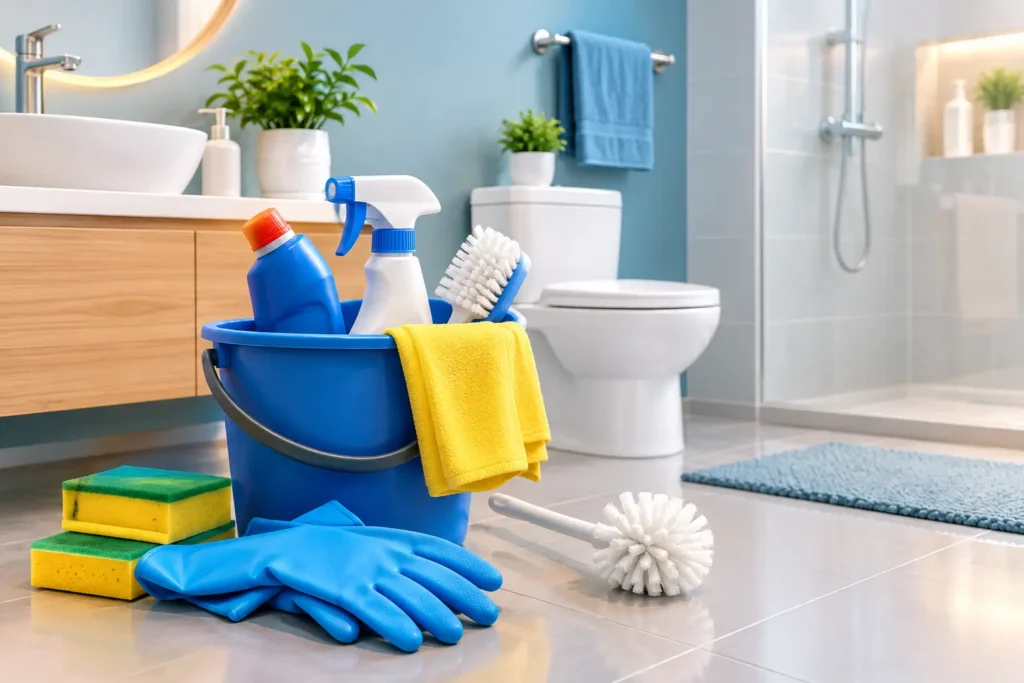
A bathroom can look clean at first glance and still need attention where it matters most: around the faucet, inside grout lines, beneath the toilet rim, and on the floor near the shower. The right bathroom cleaning essentials turn those small, frustrating jobs into a quick routine with visible results. Rather than using one worn-out sponge for every surface, build a simple set of tools that matches the task, protects finishes, and helps your bathroom stay fresh between deep cleans.
Start With the Right Bathroom Cleaning Essentials
A well-equipped bathroom does not require a cabinet full of specialty products. It needs a few dependable tools that can handle smooth surfaces, textured areas, moisture, and everyday buildup. The best selection balances cleaning power with surface safety, especially in bathrooms with chrome fixtures, glass doors, ceramic tile, acrylic tubs, or natural stone.
Keep your bathroom tools separate from kitchen cleaning supplies. This is a simple hygiene habit that prevents cross-contamination and makes it easier to grab exactly what you need. Store them in a ventilated caddy or basket so cloths, brushes, and scrubbers can dry properly after use.
For most households, a microfiber cloth, a nonwoven cleaning cloth, a soft scrub sponge, a detail brush, a toilet brush, a floor mop, and a dedicated floor cloth cover the jobs that come up every week. Add a stronger scouring pad only for durable surfaces that can tolerate it.
Microfiber Cloths for Mirrors, Fixtures, and Counters
Microfiber cloths are a bathroom workhorse because their fine fibers pick up dust, moisture, toothpaste residue, and light soap film without leaving heavy lint behind. Use one slightly damp cloth to wipe the vanity, faucet, and countertop, then follow with a dry cloth for a polished finish.
For mirrors and glass, less moisture is usually better. A cloth that is too wet can leave streaks, especially when it dries unevenly. Fold a microfiber cloth into sections, clean with one section, then switch to a fresh dry section for the final pass. This gives mirrors a clear finish without wasting paper towels.
Use separate cloths for the sink area and toilet exterior. Color-coding is helpful if more than one person shares cleaning duties. It is a small system that makes a busy household cleaner and more organized.
Scrub Sponges for Sinks, Tubs, and Shower Walls
Soap scum and mineral deposits need more friction than a cloth can provide. A quality scrub sponge gives you that extra cleaning power while staying comfortable to hold and controlled around curved surfaces. It is ideal for ceramic sinks, glazed tile, fiberglass tubs, and many shower walls.
The key is matching the sponge to the surface. A soft scouring side is useful for regular bathroom buildup, while aggressive abrasives can dull acrylic, scratch glossy finishes, or leave marks on coated fixtures. If you are unsure, test a small hidden area first and use gentle pressure.
An ergonomic sponge can make a real difference during longer cleaning sessions. It is easier to control around drain covers, faucet bases, and tub edges, where residue tends to collect. Replace sponges when they begin to smell, break down, or lose their scrubbing texture. A tired sponge makes cleaning slower and less hygienic.
Detail Brushes Reach the Places Sponges Miss
Bathroom grime often settles in narrow gaps: tile grout, shower-door tracks, drain edges, faucet seams, and the hinge area of a toilet seat. A compact brush with durable bristles reaches these spots without forcing a large sponge into tight corners.
Use a small brush for grout and textured tile, working in short sections rather than trying to clean the entire wall at once. For faucet bases and drain rims, gentle circular movements are usually enough to lift buildup. Stiff bristles can be effective on durable grout and ceramic, but softer bristles are the safer choice near silicone seals, chrome, and delicate finishes.
A dedicated toilet brush is non-negotiable. Choose one designed to clean under the rim as well as the bowl, and allow it to dry between uses. The holder should be easy to rinse and should not trap standing water for long periods.
Build a Fast, Effective Cleaning Routine
The most useful bathroom cleaning essentials support a routine you can actually keep. A ten-minute weekly reset prevents residue from becoming a heavy-duty job. For a shared or high-traffic bathroom, wiping key surfaces every few days may be worth the extra minute or two.
Start at the highest surfaces and work down. Clean the mirror and countertop first, then the sink, fixtures, tub or shower, toilet exterior and bowl, and finally the floor. This order keeps dust, hair, and loosened debris from landing on surfaces you have already cleaned.
Let your bathroom cleaner sit on soap scum or toilet stains for the amount of time stated on its label before scrubbing. Contact time does part of the work for you, so you can use less pressure and reduce unnecessary wear on surfaces. Never mix cleaning products, particularly bleach-based products with acids or ammonia. Good ventilation is equally important, especially in smaller bathrooms.
Give the Shower Attention Before It Looks Dirty
The shower is where moisture, body oils, shampoo residue, and minerals build up fastest. A quick wipe after use can greatly reduce the need for intensive scrubbing later. Keep a designated microfiber cloth or soft sponge nearby for the shower walls, glass, and fixtures.
For glass doors, wipe away water after showering when possible. This helps reduce water spots and keeps soap film from hardening. If your water has high mineral content, you may need more frequent attention around the showerhead, faucet, and glass. In that case, a gentle but regular routine is more effective than occasional aggressive scrubbing.
Do not overlook the shower curtain, liner, and bath mat. These hold moisture longer than hard surfaces and can develop odors if they do not dry fully. Hang them open after use and wash them according to their care instructions.
Protect Surfaces While You Clean
Visible cleaning power should never come at the cost of damaged finishes. Bathroom materials vary widely, and a tool that works beautifully on ceramic tile may be too harsh for a polished stone vanity or acrylic tub. Read manufacturer care guidance for specialty surfaces, and avoid abrasive pads unless the surface is known to tolerate them.
For chrome, brushed metal, and glossy fixtures, use a soft cloth and moderate pressure. Scrubbing too hard can leave fine scratches that become more noticeable over time. For natural stone, use cleaners made for stone and avoid acidic solutions that can etch the surface.
Floors need the same care. Sweep or collect loose hair before mopping, then use a mop or floor cloth that is damp rather than soaking wet. Too much water can settle into grout lines, collect around the toilet base, and make the room harder to dry. A clean, absorbent mop head leaves the floor fresh without spreading dirty water around.
Keep Tools Clean, Dry, and Ready
Cleaning tools need cleaning too. Rinse scrub sponges and brushes thoroughly after use, squeeze out excess water, and leave them where air can circulate. Wash microfiber and reusable cloths regularly, ideally without fabric softener, which can coat fibers and reduce absorbency.
Replace items based on condition, not just the calendar. Frayed cloths, flattened brush bristles, worn scouring surfaces, and lingering odors are clear signs that a tool is no longer delivering the results you expect. Durable, well-designed tools can last through repeated use, but every tool has a useful lifespan.
A reliable set from PowerMax helps keep every bathroom task simple, from a quick sink refresh to a full weekend clean. The goal is not to spend more time cleaning. It is to use the right tool once, get a satisfying result, and enjoy a bathroom that feels genuinely fresh every day.