
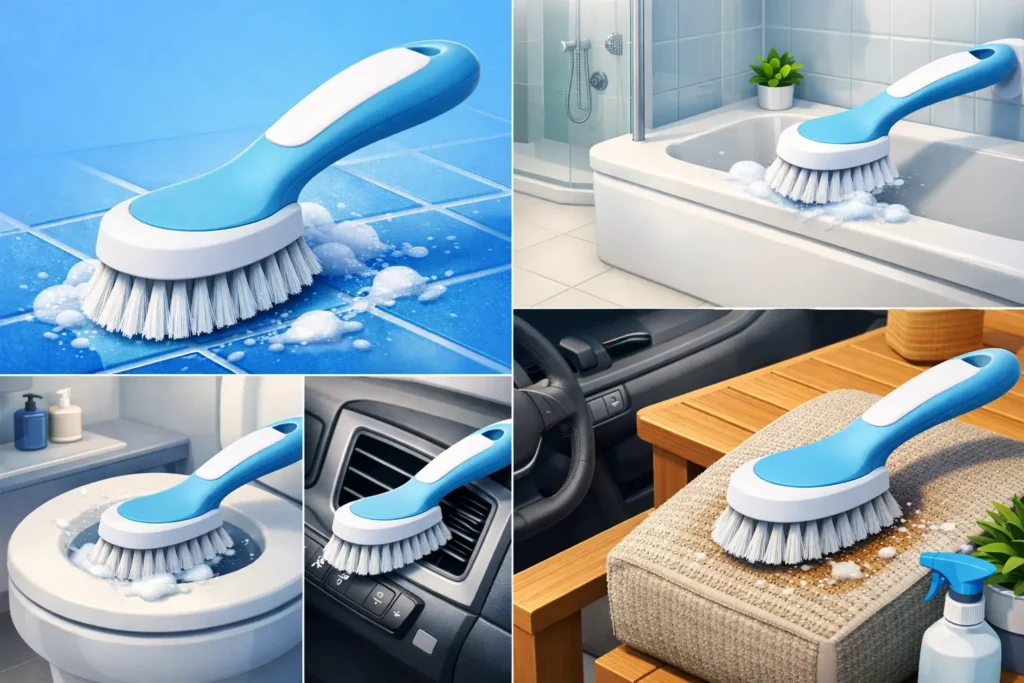
A soft bristle cleaning brush earns its place in the cleaning caddy when a sponge cannot reach the grime and a stiff scrubber feels too risky. It gives you controlled cleaning power for the places that need more than a wipe, without turning routine care into a battle against scratches, dull finishes, or worn surfaces.
From the kitchen sink to textured bathroom tile, soft bristles help lift residue from small grooves, edges, and uneven surfaces. The result is a cleaner-looking home with less effort and more confidence in the tools you use every day.
What a Soft Bristle Cleaning Brush Does Differently
The difference is in the balance. Soft bristles flex as you scrub, allowing them to move around curves, seams, and fine texture instead of aggressively digging into a surface. This makes them especially useful for regular cleaning, when you want to remove soap film, food residue, dust, and everyday buildup before it becomes harder to handle.
A brush is also more precise than a cloth. Microfiber cloths are excellent for wiping, polishing, and drying broad flat areas, but they cannot always pull grime out of grout lines, drain rims, sink corners, or the raised texture of nonstick cookware. A soft brush puts gentle friction exactly where it is needed.
That said, soft bristles are not designed for every mess. Burnt-on food, thick limescale, and heavy rust may require a stronger scouring pad, a suitable cleaning product, or a dedicated heavy-duty brush. Choosing the right level of scrubbing power protects both your surfaces and your time.
Best Places to Use a Soft Bristle Cleaning Brush
Kitchen sinks, fixtures, and drain areas
Kitchen sinks collect a little of everything: food particles, dish soap, water spots, and residue around the drain. A soft brush can reach the curved basin, faucet base, overflow opening, and the narrow edge where the sink meets the countertop. Use it with warm water and your preferred surface-safe cleaner, then rinse thoroughly.
For stainless steel, scrub in the direction of the grain when possible. This helps maintain a neat finish and reduces the chance of visible marks. Soft bristles are gentle, but trapped grit can still scratch, so rinse the brush before working on polished surfaces.
Dishes, glassware, and reusable bottles
A soft bristle cleaning brush is a practical choice for everyday dishwashing, especially for items with contours that a flat sponge may miss. It works well on plates with textured rims, serving bowls, insulated drinkware, baby bottles, and reusable water bottles.
For delicate glassware and nonstick cookware, light pressure is the rule. Let warm water and dish soap loosen residue first, then use the brush to lift it away. If food is stuck firmly to a pan, soaking is usually more effective and safer than scrubbing harder.
Bathroom tile, grout, and fixtures
Soap scum often settles into the lines and texture around shower tile, faucets, and sink backsplashes. Soft bristles can loosen this buildup without being overly harsh on glazed tile or many common bathroom finishes. Work in small sections so cleaner does not dry before you rinse it away.
Grout needs a little judgment. Lightly soiled grout can respond well to a soft brush and an appropriate cleaner, particularly as part of a regular weekly routine. Deep stains or neglected grout may need a firmer grout brush, but start gently to avoid unnecessary wear.
Shower tracks and bathroom corners
Shower door tracks, tub edges, and the corners behind fixtures are magnets for moisture and residue. These areas are often too narrow for a sponge and too delicate for aggressive scouring. A compact soft brush gives you the control to clean where buildup starts, helping your bathroom look fresher between deep cleans.
After cleaning, rinse the brush and let it dry with the bristles facing down or exposed to airflow. A clean, dry brush stays more hygienic and performs better the next time you need it.
Textured plastic and small household items
Plastic storage containers, appliance handles, trash can lids, window tracks, and children’s toys can all have molded details that hold dirt. A soft brush is ideal for gently working around those ridges and corners. It is also useful for cleaning reusable food containers before they go back into the cabinet.
Always check the care label or manufacturer guidance for specialty finishes, painted surfaces, and electronics. A brush should never be used on a powered device unless it is unplugged and the surface is suitable for moisture-free cleaning.
How to Get Better Results Without Scrubbing Harder
Good cleaning is not about applying maximum force. It is about using the right combination of tool, cleaner, contact time, and technique. Start by removing loose crumbs or dust, then apply your cleaner and give it a moment to work on the residue.
Use short, controlled strokes rather than pressing down with all your strength. For grooves and grout lines, move the brush back and forth in the direction of the line. For curved surfaces such as bowls or sinks, follow the shape of the surface so the bristles stay in contact.
Rinsing matters, too. A brush that is loaded with food particles, dirt, or gritty cleaner can spread residue and reduce its surface-safe benefits. Rinse as you work, especially when moving from a heavily soiled area to a clean or polished one.
Choosing the Right Brush Shape and Handle
Not all soft brushes serve the same purpose. A wide brush head covers larger surfaces quickly, making it useful around sinks, tubs, and tile. A narrower head gives better access to bottle interiors, fixture bases, seams, and tight corners.
Handle design affects comfort and control. A non-slip grip helps when hands are wet, while an ergonomic shape can make routine scrubbing feel easier on the wrist. If you clean several rooms at once, a comfortable handle is more than a nice feature – it helps you keep steady pressure without fatigue.
Bristle density also matters. Closely packed bristles are useful for concentrated cleaning on textured areas and small crevices. More spaced bristles can rinse out quickly and work well for general dishwashing. The best choice depends on where you plan to use it most often.
Keep Your Brush Clean, Fresh, and Ready
A cleaning tool needs cleaning, too. After each use, rinse your brush thoroughly under warm running water to remove soap, debris, and cleaning product. Shake off excess water and store it where air can circulate. Avoid leaving it bristle-side down in a puddle or sealed inside a damp container.
For a more complete refresh, wash the brush with warm water and dish soap, working through the bristles with your fingers. Rinse well and let it dry completely. Replace the brush when bristles become bent, flattened, discolored, or difficult to rinse clean. A fresh brush gives you better contact with the surface and a more hygienic clean.
It can also help to assign brushes by task. Keep one for dishes and food-contact items, and another for bathroom surfaces. This simple habit prevents cross-use and makes everyday cleaning feel more organized.
Build a Smarter Everyday Cleaning Routine
The most satisfying clean often comes from handling small buildup before it becomes a major job. Use a soft brush to refresh the sink after meal prep, clean bottle lids as you wash dishes, or lift soap residue from bathroom corners during your regular wipe-down. These quick habits reduce the need for harsh scrubbing later.
PowerMax cleaning tools are designed to make that kind of routine simpler: dependable materials, comfortable handling, and the right tool for each surface. Pair a soft brush with a quality dish sponge, microfiber cloth, or surface-safe cleaner based on the job at hand.
Keep your soft bristle brush within reach of the places that collect the most everyday grime. When the right tool is easy to grab, a few focused minutes can keep your kitchen and bathroom looking clean, cared for, and ready for whatever comes next.