
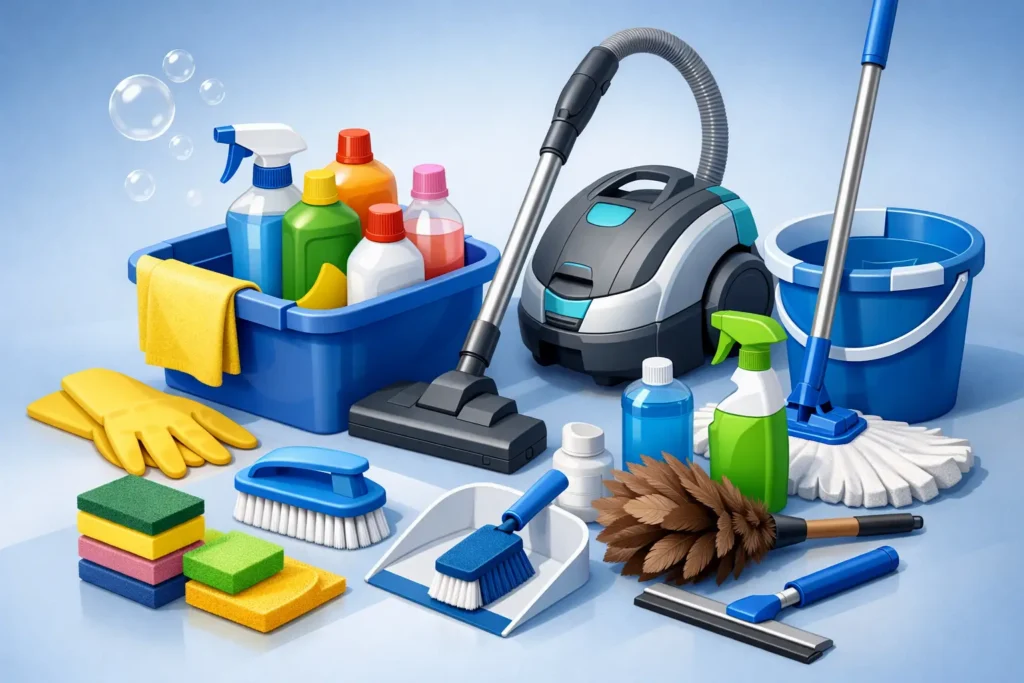
A streaky mirror, crumbs that keep moving across the floor, and a sponge that scratches the pan are all signs that the cleaning job needs a better tool, not more effort. If you are asking “ev temizliğinde hangi araçlar gerekli,” the answer starts with a compact set of reliable essentials matched to the surfaces in your home. The right tools help you clean faster, protect finishes, and get the fresh, visible results you expect.
You do not need a cabinet full of one-purpose gadgets. A smart home-cleaning kit covers everyday messes in the kitchen, bathroom, living areas, and floors while giving delicate surfaces the care they need. Focus on durability, comfortable handling, and materials that rinse clean and hold up to repeated use.
Ev Temizliğinde Hangi Araçlar Gerekli? Start With These Basics
The most useful cleaning tools are the ones you can reach for every week without second-guessing whether they will damage a surface or leave behind lint. Build your kit around a few strong performers, then add specialty tools only where your home and routines call for them.
1. Microfiber cloths for dust, counters, and shine
Microfiber cloths are one of the hardest-working items in any cleaning drawer. Their fine fibers lift dust, fingerprints, and light grime from countertops, appliances, tables, and finished furniture. Used dry, they are excellent for dusting. Used slightly damp, they can handle everyday marks without flooding a surface with water.
Keep separate cloths for kitchen and bathroom use. This simple habit supports better hygiene and prevents grease or cleaning residue from traveling from one room to another. For glass, mirrors, and stainless steel, choose a clean cloth with no fabric softener buildup, which can cause streaking.
2. Nonwoven cleaning cloths for quick daily tasks
Nonwoven cloths are a practical choice for fast wipe-downs around the sink, stovetop, dining table, and bathroom vanity. They are lightweight, absorbent, and easy to rinse between tasks. They work especially well when you need an everyday cloth that can tackle spills without leaving paper towel lint behind.
For households that clean often, having a small stack on hand makes daily upkeep feel much more manageable. Use one for food-prep areas, another for general surfaces, and replace or wash them once they look worn or hold odors.
3. Sponges that match the job
A dependable sponge belongs in every kitchen, but one sponge should not handle every surface. A soft dishwashing sponge is ideal for plates, glasses, and nonstick cookware. A more textured scrubbing side can help lift dried food from durable pots, pans, and sink surfaces.
The trade-off is simple: more scrubbing power can mean more risk on delicate finishes. Avoid abrasive materials on nonstick coatings, polished metal, acrylic, and painted surfaces unless the manufacturer confirms they are safe. An ergonomic sponge, such as PowerMax Teddy Boo Scrub Sponge, can make repeated dishwashing more comfortable while bringing a bit more fun to a routine task.
4. Scouring pads for tough, durable surfaces
For baked-on residue, greasy oven-safe cookware, grill grates, or heavy sink buildup, a scouring pad provides the extra friction a soft sponge cannot. Reserve it for strong, scratch-resistant surfaces such as stainless steel or uncoated cookware when appropriate.
Always test in an inconspicuous spot first. If a surface has a protective coating, a high-gloss finish, or a nonstick layer, switch to a gentler sponge and allow warm water or cleaner to loosen the mess before wiping. The best cleaning result is not just a clean surface – it is a clean surface that still looks new.
Tools for Floors: Sweep, Mop, and Detail Clean
Floors collect more than visible dirt. Fine dust, hair, food particles, and moisture can gather along edges and under furniture, so floor tools should be selected for the type of flooring you have.
A broom and dustpan for daily debris
A quality broom and dustpan are ideal for hard floors in kitchens, entryways, laundry rooms, and dining areas. Look for bristles that capture fine particles instead of flicking them away. Angled bristles make it easier to reach corners and baseboards, while a dustpan with a close floor edge helps collect smaller debris in one pass.
For a quick refresh, sweep high-traffic zones daily or every few days. This reduces the grit that can be dragged across tile, vinyl, laminate, or hardwood floors.
A mop for washable hard floors
A mop is essential for removing the film that sweeping leaves behind. Microfiber mop heads are a versatile option because they can pick up fine dust and clean with less water. That matters for hardwood and laminate, where excess moisture may lead to swelling, dullness, or damage over time.
Use a lightly damp mop rather than a soaking wet one unless you are cleaning a water-resistant floor and the product directions allow it. For textured tile or grout lines, you may need a floor brush for occasional deep cleaning. A mop is faster for routine care; a brush is better for stubborn, localized buildup.
A small brush for edges and grout
A hand brush with firm bristles earns its place when dirt settles where a mop cannot reach. Use it around baseboards, in shower tracks, on grout, and near faucet bases. Pair it with the right cleaner, let the solution sit briefly if needed, then scrub with controlled pressure. Scrubbing harder is not always better – technique and dwell time often do more than force.
Bathroom Essentials That Support Better Hygiene
Bathrooms need tools that handle soap residue, toothpaste splashes, mineral marks, and moisture without spreading germs from one area to another. The easiest system is to keep bathroom tools separate from kitchen tools and let them dry fully after use.
A dedicated sponge or nonwoven cloth works well for sinks, counters, and tubs. A small scrub brush helps with grout, tile texture, and fixtures. For toilets, use a toilet brush stored in a ventilated holder and keep it strictly for that purpose. Replace it when bristles bend, discolor, or no longer rinse clean.
For mirrors and shower glass, microfiber is the better choice. Spray sparingly, wipe from top to bottom, and finish with a dry section of the cloth. Too much product is a common cause of haze and streaks.
Glass and Window Tools for a Clear Finish
Windows, glass doors, and mirrors show every missed mark in bright light. A microfiber glass cloth and a window wiper are the most efficient pairing for these surfaces. The cloth loosens smudges and dust around edges; the wiper removes moisture in smooth, overlapping strokes.
Wipe the wiper blade after each pass so it does not redeposit dirt. For large windows, work out of direct sunlight when possible. Heat can dry cleaning solution too quickly, leaving visible lines before you have a chance to finish the surface.
How to Choose Tools That Last
The lowest-priced option is not always the best value if it sheds, loses shape, or needs replacing after a few uses. Choose tools with securely attached fibers, comfortable grips, and materials suited to repeat washing. Washable cloths and reusable mop pads can lower waste and keep your cleaning routine well stocked.
It also helps to organize by task. Keep dish tools near the sink, bathroom tools in a separate caddy, and floor tools together in a utility area. When every tool has a clear purpose and place, cleaning takes less setup time and feels far less overwhelming.
A well-chosen cleaning kit turns small daily messes into quick wins. Start with the basics, treat each surface with the right level of care, and replace worn tools before they stop delivering the clean, satisfying finish your home deserves.